Your assets, your responsibility
A self-custody wallet gives you control of your wallet credentials. That control also means protecting your recovery phrase is your job.
Explore safe habitsA clear-eyed introduction to the Coinbase Wallet browser extension: how it connects, what to check, and how to stay in control.
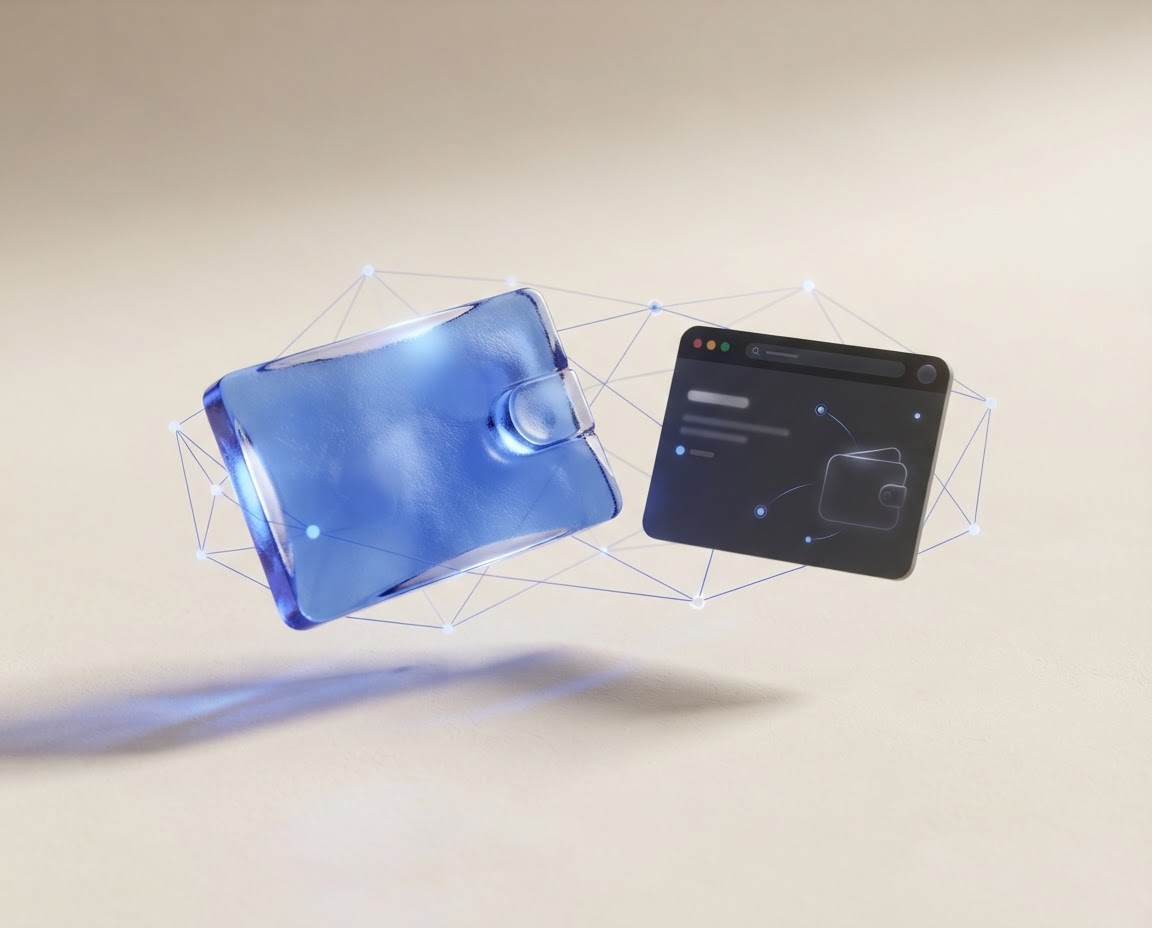
It brings a self-custody wallet into your browser, where you can connect to decentralized apps while keeping an eye on what you approve.
A self-custody wallet gives you control of your wallet credentials. That control also means protecting your recovery phrase is your job.
Explore safe habitsUse a wallet connection to interact with supported decentralized applications. A connection alone is not the same as a transaction approval.
Understand the flowTransaction details matter. Review the network, destination, permissions, and fees before approving anything in your wallet.
Review the checklistCoinbase Wallet Extension brings a self-custody wallet into your browser, helping you connect with decentralized applications and manage digital assets. Before installing, visit an official Coinbase page or your browser’s verified extension store. Check the publisher and permissions; lookalike extensions and sponsored links can mislead. This guide is independent and does not replace official support or financial advice, and privacy matters.
Create or recover a wallet only through trusted flows. A recovery phrase is a key: keep it private, offline, and never type it into a website, chat, or form. Anyone obtaining it may take control of the assets. Support teams should never ask you to disclose it.
Before connecting, check the application’s address and consider what information it can see. A connection is not the same as approving a transfer, but requested permissions differ. Disconnect from services you no longer use, and question links, urgent messages, and guaranteed-return promises carefully.
Read every request in your wallet before signing. Confirm the network, recipient, amount, fees, and any token or contract permissions. Blockchain transactions may be irreversible, so reject anything unexpected or unclear. Keep software updated, and use official resources. Self-custody offers control, not a guarantee of safety; digital assets involve risk.
Verify the source. Guard your recovery phrase. Read the request. Take your time.
Wallet safety is a practice, not a setting. Slow down for unfamiliar sites, token approvals, and requests that create urgency.
Double-check the domain and the app asking to connect. Avoid links from unsolicited messages.
Never share it or store it in an online document. Anyone with it may control the wallet.
Review token approvals, contract details, network and fees. Decline anything you cannot explain.
Legitimate activity can wait. Be wary of urgency, guaranteed returns, and unsolicited support.
Security practices reduce risk; they cannot eliminate it. Never invest more than you can afford to lose.
A few useful distinctions for a more confident first visit.
No. A self-custody wallet and an exchange account are different products with different custody models. Review Coinbase’s official product information to understand the distinctions.
A connection by itself generally shares a wallet address with the application, not a transfer approval. Always review the exact permissions and any separate transaction request before proceeding.
Be wary of anyone claiming they can recover funds or asking for your recovery phrase. Never share it. Use official support resources and do not trust unsolicited support messages.
Start with the basics, follow official resources, and make each wallet interaction an informed one.
Explore Coinbase Wallet